


Green forum
EU Organic Fertilizers Market Review
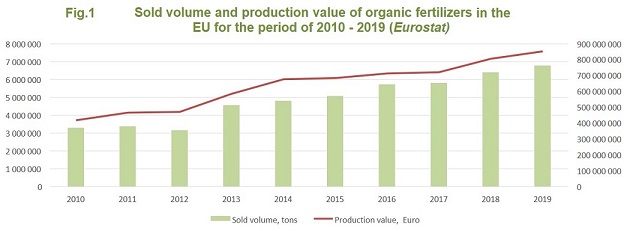
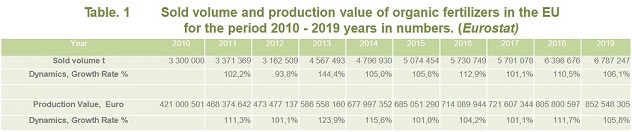
Fig.1 and Table 1 show the increase in the market for organic fertilizers over 10 years from 421 million euros in 2010 to
852.5 million euros in 2019, which comprises 202.5%, and an increase in production for the same 10 years from 3.3 million tons to 6.79 million, which is 205%.
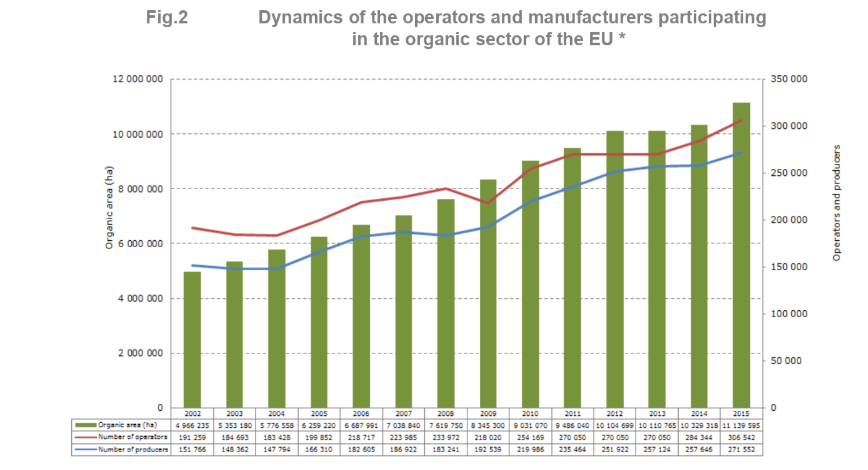
Fig. 2 gives an idea of the evolution of the number of agricultural producers in the Member States of the EU.
Data based on Council Regulation (EC) No 834/2007 on organic production (FEOSTAT data up to 2011 and Eurostat org_cropar data from 2012) *
DE data from Agrarmarkt Informations-Gesellschaft mbH and data from the Ministerium Ministerium für ein Lebenswertes Österreich and (Operators:
org_coptyp_h until 2011 and org_coptyp from 2012)
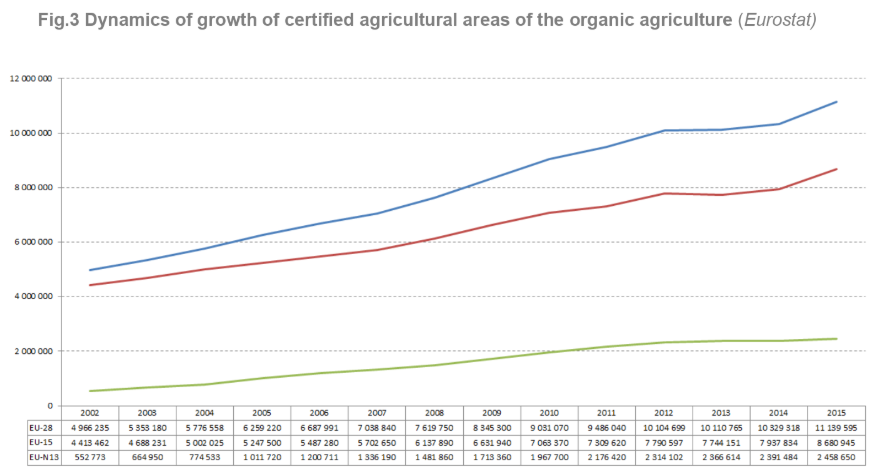
Fig. 3 shows the evolution of the agricultural sector under the cultivation of organic areas in the period 2002-2015. For
fourteen years, the total increased from 5.0 million hectares to 11.1 million hectares (+ 6% per year) for the EU-28,
from 0.55 to 2.4 million hectares (+ 12% per year) for EU-N13, from 4.4 to almost 8.6 million hectares in the EU-15 (+
5% per year). Despite strong sector growth in EU-N13, most of the organic region in Europe currently exists in the
EU-15. The EU-15 represented 78% of the total organic area of the EU-28 in 2015.
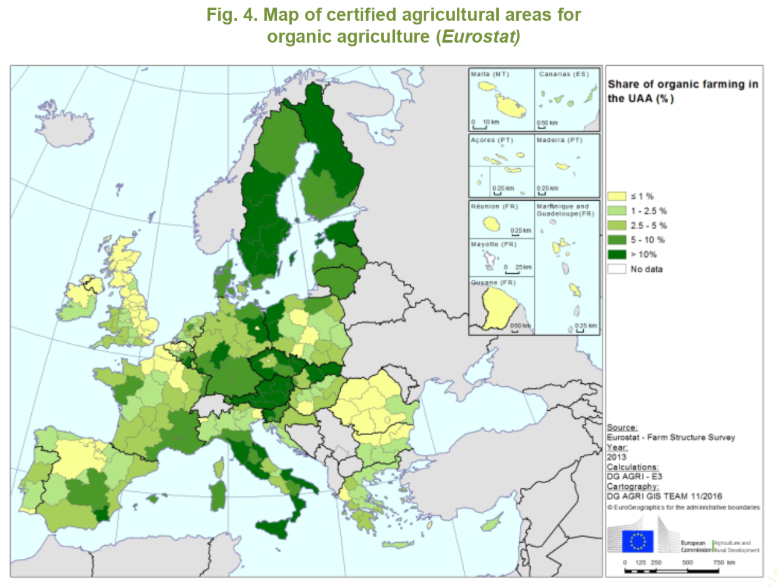
Map 1 a results-based survey of the structure of organic farms, shows the share of the organic segment of the UAA at
the regional level of the EU in 2013 (Eurostat).
The EU policy and legislation, with help of the 7th Environmental Protection Action Program, directly
regulate and stimulate the development of organic fertilizer production:
- Framework Directive on wastes and the cancellation of certain Directives (2008/98 / EC);
- The Directive on Nitrates of Agricultural Origin (91/676 / EEC);
- The Directive on Integrated Control and Pollution Prevention (96/61 / EC);
- The Directive on Integrated Prevention and Control of Pollution (2008/1 / EC);
- The Directive on Protection of Groundwater from Pollution and Degradation (2006/118 / EEC);
- The Directive on Hazardous Substances (76/464 / EEC);
- Water Framework Directive (2000/60 / EC);
- Action Plan “Efficiency of resource usage: transition to a circular economy” (European Commission,
02.12.2015);
- Recommendations for the application of fertilizers, 06/2017.